The unique ritual that makes Tarapith different
Why Tarapith’s morning aarti starts only after a funeral pyre is lit at the Mahasmashan
Tarapith, located in West Bengal’s Birbhum district, is one of the most famous and spiritually significant temples dedicated to Goddess Tara. Known as an important Shakti Peetha and a major centre of Tantric worship, the temple attracts thousands of devotees from across India every year. People visit Tarapith seeking blessings, spiritual guidance and inner peace. However, what makes this sacred place truly unique is a centuries-old tradition that is rarely seen anywhere else in the country.
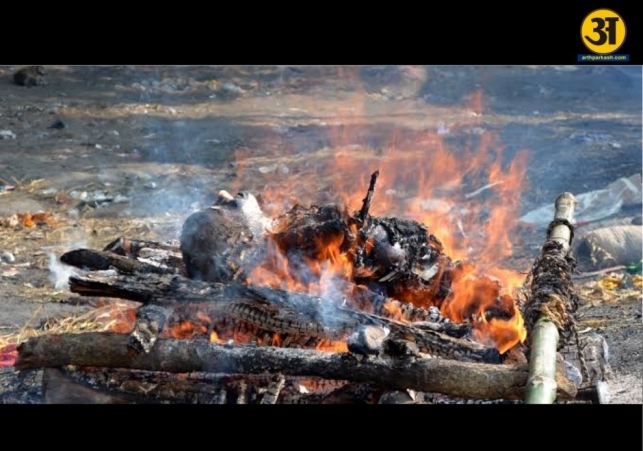
Unlike most temples where morning prayers begin at a fixed time, Tarapith follows a remarkable custom. The temple’s morning aarti does not start until a funeral pyre has been lit at the nearby Mahasmashan, or great cremation ground. For outsiders, this practice may seem unusual or even surprising. But for devotees and followers of the Tantric tradition, it is a deeply meaningful ritual that reflects the spiritual connection between life, death and liberation.
This tradition has been followed for generations and remains an important part of Tarapith’s identity. It represents the unique beliefs associated with Goddess Tara and the sacred role that the cremation ground plays in the temple’s spiritual practices.
A sacred bond between the temple and cremation ground
In many religious traditions, cremation grounds are often viewed as places of mourning and farewell. However, in the Tantric philosophy followed at Tarapith, the Mahasmashan is considered one of the holiest places for spiritual practice and self-realisation.
According to local beliefs, the cremation ground is not merely a place where final rites are performed. Instead, it is regarded as the spiritual abode of Goddess Tara herself. Devotees believe that the Goddess is closely connected with the cycle of life, death and rebirth, and the Mahasmashan symbolises this eternal journey of the soul.
The tradition states that the spiritual energy of the cremation ground awakens only when a funeral pyre is lit. This act is seen as more than a physical event. It is believed to create a sacred atmosphere that prepares the surroundings for the Goddess’s daily worship.
As a result, the temple priests wait for the first cremation fire of the day before performing the morning aarti. Only after the pyre begins burning is the ritual considered complete enough for the Goddess to be ceremonially awakened and worshipped.
For devotees, this practice serves as a reminder that life and death are inseparable parts of existence. While life is celebrated inside the temple through prayers and offerings, the cremation ground nearby reminds people of the temporary nature of the physical world and the soul’s journey beyond it.
The funeral fire itself carries deep symbolic meaning. It represents transformation, the ending of one phase and the beginning of another. In the Tantric tradition, death is not viewed as an end but as a passage toward spiritual liberation. Goddess Tara is believed to guide souls through this transition and help them move beyond worldly attachments.
This belief is one of the reasons why the temple and the Mahasmashan are considered two parts of the same sacred space. The spiritual energy of one is believed to complement the other, creating a unique atmosphere found nowhere else.
ALSO READ: India firmly rejects Pakistan’s claims on Kashmir at the United Nations
ALSO READ: US launches fresh strikes on Iran as tensions rise across the Gulf region
The spiritual history behind the tradition
The significance of Tarapith’s Mahasmashan is deeply rooted in ancient legends and religious traditions. One of the most important stories associated with the site involves Sage Vashistha, a revered figure in Hindu mythology.
According to tradition, Sage Vashistha performed intense spiritual practices and meditation dedicated to Goddess Tara at the cremation ground. He is believed to have meditated while seated on a Panchamundi Asana, a special Tantric seat associated with powerful spiritual rituals.
After years of devotion and penance, the Goddess is said to have appeared before him in her compassionate maternal form. The sage then requested her to remain at the site so that future generations could worship her and seek her blessings. According to local belief, the Goddess accepted his request, making Tarapith one of the most important centres of Tara worship in India.
The Mahasmashan also holds special significance because of its connection to the famous saint Bamakhepa. Revered as one of the greatest devotees of Goddess Tara, Bamakhepa spent much of his life performing spiritual practices in and around the cremation ground.
His devotion to the Goddess became legendary, and he is still remembered as a saint who shared an extraordinary bond with Tara. His samadhi, or final resting place, is located near the Mahasmashan, and devotees continue to visit it to pay their respects.
Many followers believe that Bamakhepa continues to protect the sacred land of Tarapith as its spiritual guardian. Because of this belief, he is often referred to as the kshetrapal, or protector, of the holy site.
Another important tradition linked to the Mahasmashan concerns the footprints of Goddess Tara. Temple lore says that the original idol of the Goddess was damaged many years ago and later immersed in a sacred pond. However, her footprints are believed to have remained at the cremation ground.
These footprints continue to be worshipped by devotees and are considered a powerful symbol of the Goddess’s presence. Many pilgrims visit the Mahasmashan specifically to offer prayers at this sacred spot.
Together, these legends and beliefs help explain why the cremation ground remains central to Tarapith’s spiritual identity. The morning aarti is not merely a daily ritual but a reflection of centuries of faith, tradition and Tantric philosophy.
For devotees, the custom of waiting for a funeral pyre before beginning the day’s worship carries a profound message. It reminds them that life and death are interconnected, that worldly existence is temporary and that spiritual liberation is the ultimate goal. Through this unique practice, Tarapith continues to preserve an ancient tradition that blends devotion, philosophy and spirituality in a way that few other temples in India do.
Even today, this centuries-old ritual remains one of the most distinctive and respected aspects of Tarapith, drawing pilgrims, spiritual seekers and curious visitors who wish to understand the deeper meaning behind one of India’s most fascinating religious traditions.
Related News